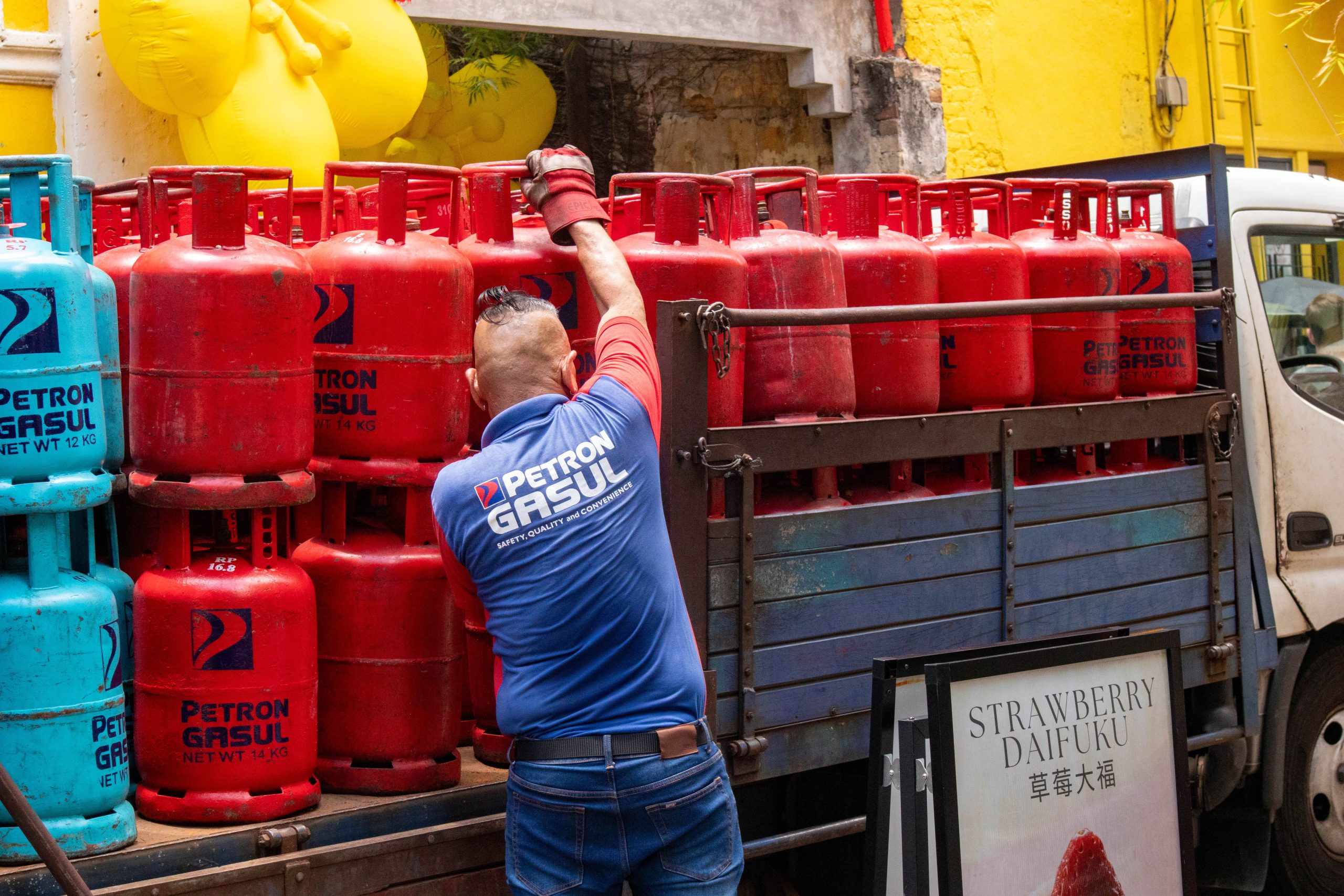
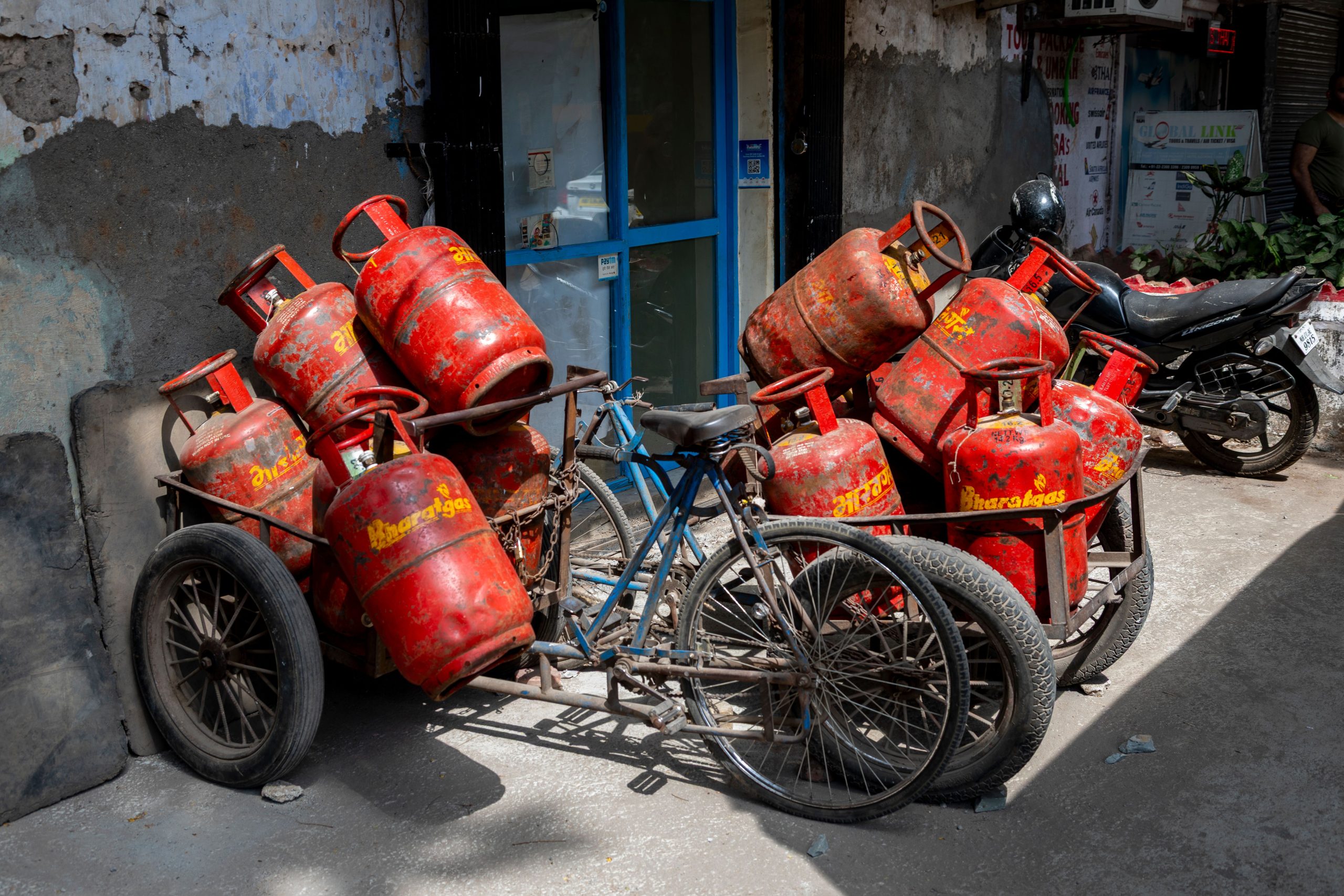
A significant change has been introduced under the Pradhan Mantri Ujjwala Yojana (PMUY), with the annual quota of free LPG cylinders reportedly reduced from nine to four per beneficiary household. The decision has sparked widespread discussion, with many expressing concern over its potential impact on economically weaker families that depend on subsidised cooking fuel.
The Ujjwala scheme was launched to provide clean cooking fuel to women from low-income households, replacing traditional fuels such as firewood, coal, and kerosene. Over the years, the initiative has been credited with improving health outcomes, reducing indoor air pollution, and enhancing the quality of life for millions of beneficiaries across the country.
With the revised allocation, eligible households will now receive four free LPG cylinders annually instead of nine. The reduction has raised concerns among beneficiaries and social welfare advocates, who argue that many families may now have to bear higher out-of-pocket expenses to meet their cooking fuel requirements, particularly at a time when household budgets remain under pressure.
Supporters of the move, however, may argue that rationalising subsidies can help optimise government expenditure while encouraging more targeted welfare delivery. They believe that balancing fiscal responsibility with social support remains an important aspect of public policy.
The decision has reignited discussions on the affordability of LPG refills for low-income families and the importance of ensuring continued access to clean cooking fuel. Stakeholders have emphasised that sustained use of LPG is essential to prevent households from reverting to traditional cooking methods, which pose health and environmental risks.
As the revised provision comes into effect, its long-term impact on beneficiaries, household expenditure, and clean energy adoption will be closely watched. The development has also prompted fresh debate on how welfare schemes can balance financial sustainability with the needs of vulnerable sections of society.