

The proposed Bandhara Project in Mirabag–Sanvordem has sparked widespread concern among locals and activists, who fear that the development could threaten Goa’s cultural identity — known as Goan Asmitai — and disrupt the ecological balance of the region.
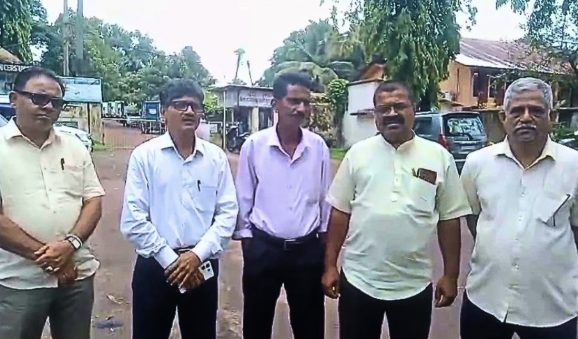
At a recent public gathering, members of Madganvcho Aawaaz and youth leader MAPrabhav voiced strong opposition to the project, urging citizens to stand in solidarity with affected villagers. They argued that the Bandhara Project, while presented as a step toward progress, risks undermining the state’s heritage and natural environment.
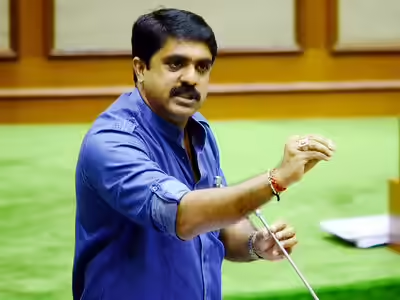
“Goan Asmitai is not just about our traditions; it’s about our connection to the land, our rivers, and our way of life,” said Prabhav, addressing the crowd. He emphasized that unchecked development could erode the cultural and environmental foundations that make Goa unique.
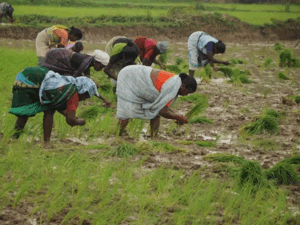
Residents of Mirabag–Sanvordem have raised concerns about potential displacement, loss of agricultural land, and changes to water flow patterns that could affect farming and biodiversity. Many fear that the project’s construction could lead to irreversible damage to local ecosystems.
Environmental groups have joined the movement, calling for a comprehensive review of the project’s impact. They argue that sustainable alternatives should be explored to meet water management needs without compromising Goa’s ecological integrity.
The protest has also reignited discussions about the broader implications of rapid development across the state. Activists stress that preserving Goan Asmitai means protecting both cultural heritage and environmental harmony. “Development must serve the people, not destroy what defines us,” said one participant.
Government officials have maintained that the Bandhara Project aims to improve water conservation and support rural communities. However, they have assured that public feedback will be considered before moving forward.
As the debate continues, the villagers of Mirabag–Sanvordem remain steadfast in their opposition, calling for transparency, accountability, and respect for Goa’s identity. Their message is clear — progress should not come at the cost of heritage and nature.


 By
By


 By
By