
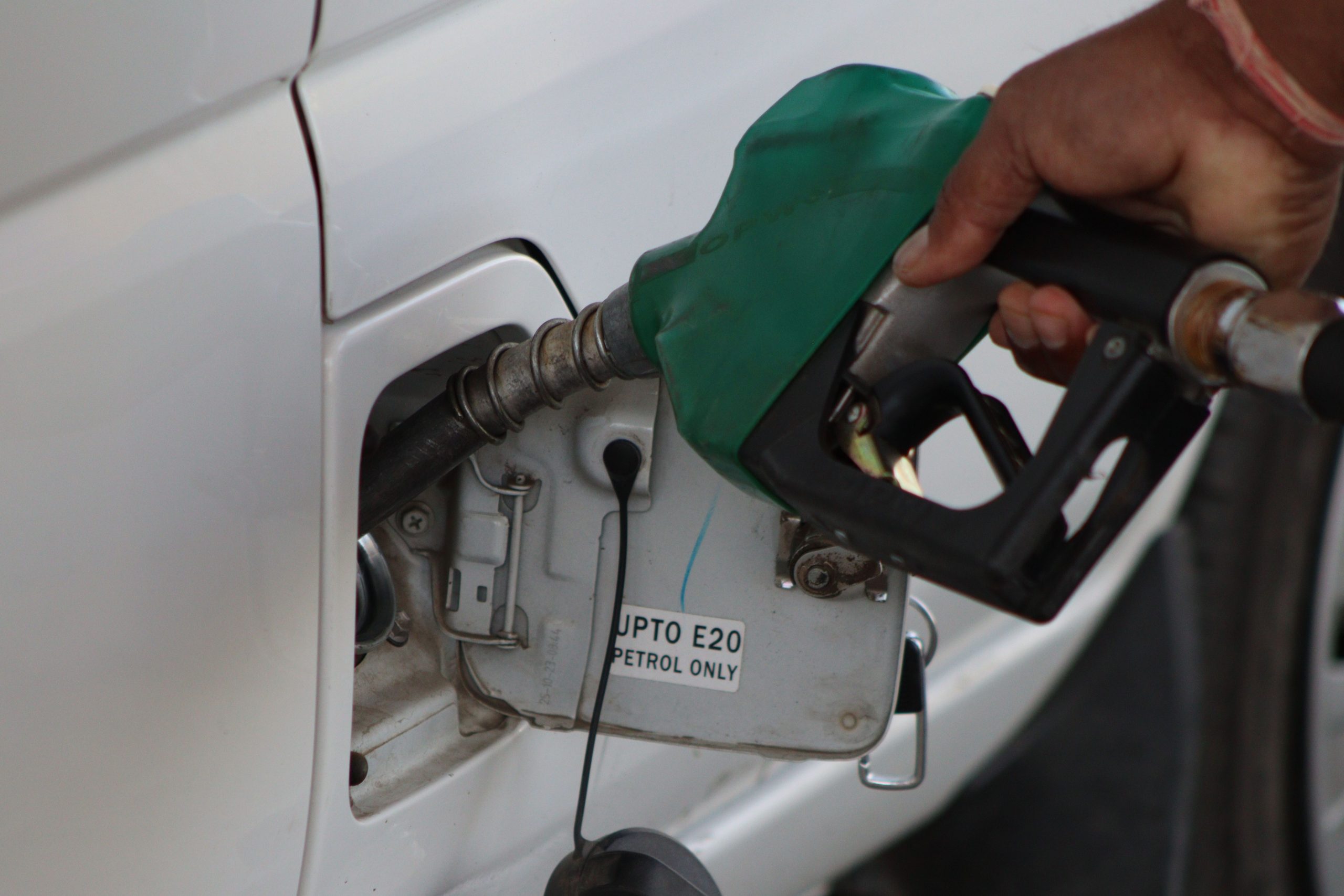
As countries across the world accelerate efforts to reduce carbon emissions and promote cleaner transportation, E85 fuel is emerging as a promising alternative to conventional petrol. Designed for use in flex-fuel vehicles (FFVs), E85 contains up to 85% ethanol and 15% petrol, offering motorists greater fuel flexibility while supporting the transition towards more sustainable mobility.
Flex-fuel vehicles are equipped with specially designed engines capable of running on varying blends of ethanol and petrol, ranging from standard petrol to high-ethanol fuels such as E85. This adaptability allows vehicle owners to choose fuel based on availability, price, and environmental considerations without compromising engine performance.
One of the biggest advantages of E85 is its potential to reduce greenhouse gas emissions. Since ethanol is primarily produced from renewable agricultural sources such as sugarcane, corn, and other biomass, it has the potential to lower the overall carbon footprint of transportation when compared to conventional fossil fuels. Increased ethanol blending can also help reduce dependence on imported crude oil while supporting domestic biofuel production.
In India, the government has been actively promoting ethanol blending as part of its clean energy strategy. While E20 fuel is gradually being introduced across the country, experts believe flex-fuel technology could pave the way for wider adoption of higher ethanol blends in the future, provided adequate infrastructure and fuel availability are developed.
Supporters of flex-fuel technology say it offers consumers more choices while contributing to cleaner air and improved energy security. However, they also point out that widespread adoption of E85 will require compatible vehicles, dedicated fuel stations, and a reliable supply chain to ensure accessibility across regions.
As the global automotive industry continues to evolve towards greener technologies, E85 and flex-fuel vehicles are increasingly being viewed as an important bridge between conventional internal combustion engines and fully electric mobility. With continued advancements in biofuel production and supportive policies, high-ethanol fuels could play a significant role in shaping the future of sustainable transportation.