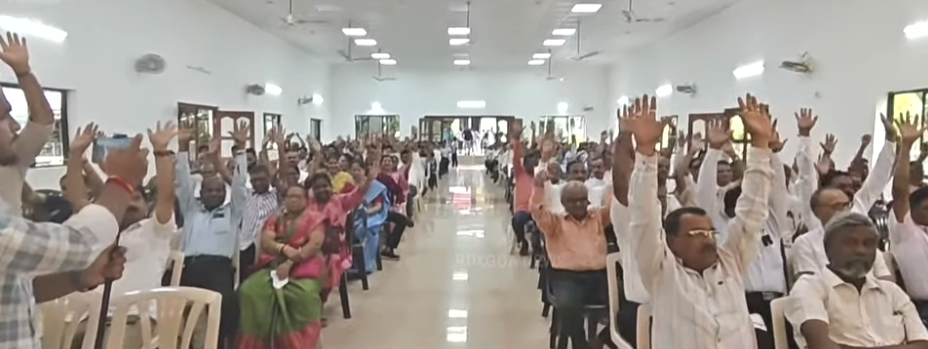

The proposal to reserve the Canacona Assembly constituency for the Scheduled Tribe (ST) community has triggered opposition from the Bahujan Samaj, reopening debate over political representation and reservation policy in Goa.
The issue has gained political attention after concerns were raised over the possible impact of reserving the constituency, with opponents arguing that such a move could alter existing electoral dynamics and affect the representation of other communities. Supporters of the proposal, however, are expected to argue that political reservation is necessary to ensure fair representation for Scheduled Tribes in the state’s legislative process.
The opposition from the Bahujan Samaj has added a fresh layer of complexity to the discussion, as the debate now moves beyond constituency boundaries to larger questions of social justice, electoral balance, and constitutional safeguards for underrepresented communities.
The controversy also comes at a time when demands for greater ST political representation have been growing louder in Goa, making the Canacona proposal a politically sensitive issue. Any decision on the matter is likely to have implications not only for local electoral calculations but also for the broader discourse around reservation and representation in the state.
As the debate unfolds, the focus will remain on how the government and political stakeholders navigate competing demands while addressing the larger question of equitable representation in Goa’s democratic framework.


 By
By


 By
By