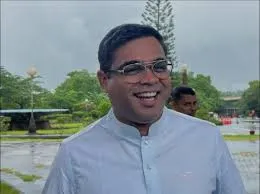

Mandrem MLA Jit Arolkar has voiced serious concerns over the implementation of Section 39A of the Town and Country Planning (TCP) Act, highlighting what he described as irregular land conversions in Pernem without the consent of local panchayats and residents.
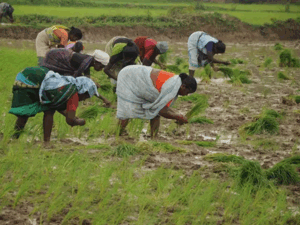
Speaking to reporters, Arolkar explained that Section 39A was originally introduced to help local residents regularize small plots of orchard land. However, he claimed that the provision is now being misused to convert large tracts of land, including agricultural zones, hills, and non-development areas (NDZs), into settlement zones.
According to the MLA, nearly 2.36 lakh square meters of land in Pernem have been converted under this section, raising alarm among villagers and environmental groups. “This law was meant to benefit ordinary Goans, not to facilitate large-scale land conversions for commercial interests,” Arolkar said.
He urged the government to review all conversions carried out under Section 39A and ensure that local communities are consulted before any changes are approved. “People must have a say in what happens to their land. Development should not come at the cost of transparency and public trust,” he added.
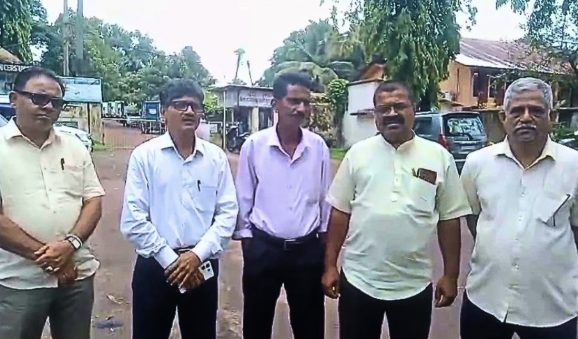
Residents of Pernem have echoed the MLA’s concerns, fearing that the rapid transformation of land use could disrupt traditional livelihoods and harm the environment. Many have called for stricter oversight and a halt to conversions until a thorough investigation is completed.
Environmental activists have also weighed in, warning that unchecked land conversions could lead to deforestation, loss of agricultural productivity, and strain on local infrastructure. They emphasized that Goa’s planning laws must prioritize sustainable development and community welfare.
The issue has sparked wider debate across the state, with several legislators and civic groups demanding amendments to Section 39A to prevent misuse.
As discussions continue, Arolkar reaffirmed his commitment to protecting the interests of Pernem’s residents. “Our land is our identity. We cannot allow policies to be twisted against the people they were meant to serve,” he said.
The controversy underscores growing tension between development and preservation in Goa, as communities seek to safeguard their environment and cultural heritage amid rapid urban expansion.


 By
By



 By
By